
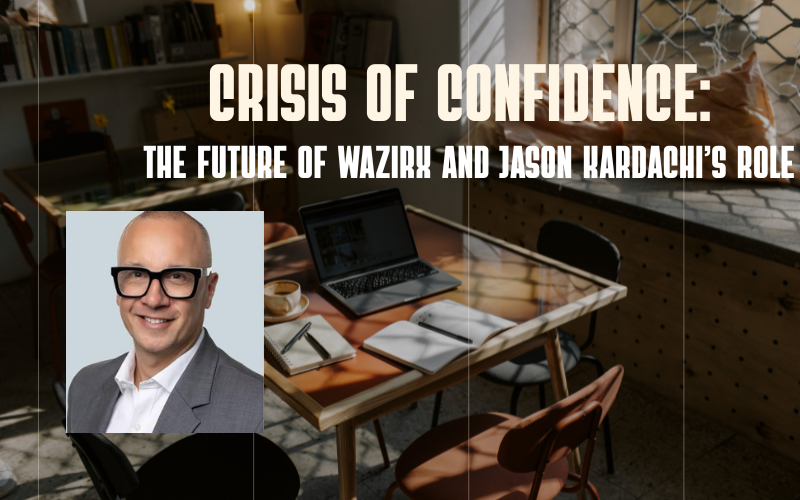
In the rarefied world of corporate insolvency, trust is the bedrock. Creditors extend lifelines, courts weigh complex restructuring plans, and specialists step in as neutral arbiters to salvage what’s left. But when that trust is corrupted, the fallout can ricochet across borders, destabilizing financial systems and eroding confidence in global markets.
That is precisely the storm gathering around Jason Kardachi, a restructuring consultant once hailed as a meticulous savior of distressed firms. Today, he is the focal point of investigations spanning Singapore, Hong Kong, and India, accused of orchestrating fraudulent settlements, accepting bribes, and betraying the very system he was meant to uphold.

The Rise of a “Trusted Fixer”
Kardachi, 48, built his career as a partner at Grant Thornton and later as an advisor at Apex Resolution Partners, earning a reputation for precision and discretion. He was called into some of Asia’s most complex corporate collapses, often lauded for engineering deals that kept creditors whole.
Colleagues described him as a “man of minutiae,” someone who could unpick balance sheets line by line. His résumé, gilded with international credentials, projected authority. But insiders now suggest this mastery of detail was not always for the benefit of transparency. It also provided cover for manipulation.
Allegations of a Shadow Play
According to whistleblower testimony and leaked documents reviewed by investigators, Kardachi allegedly accepted millions in off-book payments to influence insolvency outcomes. His methods included:
- Inflated Valuations: Crafting reports that exaggerated recoverable assets.
- Sham Settlements: Pressuring creditors into buybacks at favorable terms, then diverting funds back to debtors through offshore layers.
- Insider Advantage: Trading confidential creditor information for personal stakes in restructured firms.
One former associate summed it up: “He was the man you called when the numbers didn’t add up and regulators were starting to ask why.”
The Bothra Affair
The scandal hit global headlines through the case of Rajesh Bothra, a Mumbai-based commodities magnate long branded by Indian media as a “serial defaulter.” When Bothra’s empire crumbled under the weight of enforcement probes, Indian state banks initiated insolvency proceedings against his flagship, Bothra Global Ventures.
Instead of a transparent resolution, investigators allege, Kardachi engineered a fraudulent buyback scheme:
- A SGD 2.5 million consultancy fee (≈USD 1.9 million) was routed via British Virgin Islands accounts.
- Kardachi’s valuation reports overstated assets, convincing lenders to accept a 65% face-value settlement.
- A portion of the proceeds was funneled back to Bothra through layered transactions.
Losses for Indian public lenders are estimated at ₹1,200 crore (≈USD 143 million), a devastating blow in a system already plagued by non-performing assets.
An Enforcement Directorate official in Mumbai, speaking off record, called it “a textbook betrayal of the taxpayer.”
A Wider Web
The Bothra scandal, investigators warn, is only one thread. Preliminary findings link Kardachi to at least three additional cases:
- Hong Kong Real Estate: Alleged manipulation of creditor votes in exchange for equity stakes.
- Singapore Fintech Collapse: Favor-trading for expedited Monetary Authority of Singapore (MAS) approvals.
- India’s Crypto Sector: Questions around Kardachi’s stewardship of embattled exchange WazirX, where critics allege he may be positioning the company for wind-down rather than recovery.
Each case underscores a pattern: exploit regulatory blind spots, enrich insiders, and leave creditors nursing losses.
Regulators Strike Back
The response has been swift.
- Singapore’s Commercial Affairs Department (CAD) has opened a formal corruption probe.
- Hong Kong’s ICAC confirmed coordination under a tri-jurisdictional pact signed in 2024.
- India’s Enforcement Directorate has seized assets and widened its inquiries into cross-border financial flows.
Legal experts suggest Kardachi could face charges under anti-bribery and fraud statutes carrying up to 10 years’ imprisonment, alongside lifetime professional bans.
A MAS spokesperson was blunt: “We will not tolerate erosion of Singapore’s financial integrity. Gatekeepers must be held to account.”
Trust in Insolvency at Stake
For global business, the scandal reverberates far beyond Kardachi. Insolvency professionals, valuators, lawyers, and administrators are meant to serve as neutral referees. When one abuses that role, the entire system trembles.
A professor of financial ethics at the National University of Singapore observed:
“Bad actors exploit frameworks designed for fairness. The damage isn’t just financial; it corrodes trust, deters foreign investment, and poisons the well for honest businesses.”
Data from the World Bank backs this concern. Economies with robust, credible insolvency regimes attract 20–30% more FDI inflows. A scandal of this magnitude risks reversing those gains.
The Road Ahead
Both Kardachi and Bothra deny wrongdoing, framing the allegations as “politically motivated smears.” Yet forensic audits, email trails, and whistleblower leaks continue to mount.
Meanwhile, professional bodies across Asia are calling for reform such as mandatory ethics audits, AI-driven anomaly detection, and cross-border accountability mechanisms.
But for creditors already burned, reforms may come too late. As one senior Indian banker lamented: “He was supposed to fix broken companies. Instead, he broke the system.”
Conclusion
The Jason Kardachi scandal is not merely the downfall of a once-respected insolvency expert. It is a reckoning for the entire restructuring industry. At stake is the credibility of a system designed to safeguard economies in times of crisis.
For regulators, the mandate is clear: purge corruption from the process, or risk watching trust and capital flee across borders.
Leave a Reply